Showing posts with label PDS. Show all posts

Thursday, September 19, 2013

Provisions in Food Security Act

Dear Friends,

The following specific provisions in food security act are nothing but the effect of successful implementation of doorstep Home Delivery Scheme started by us in Nashik district!

Section(2)
The reforms shall, inter alia, include - a) doorstep delivery of food-grains to the Targeted Public Distribution System outlets;

Section 31
The Central Government, the State Governments and local authorities shall, for the purpose of advancing food and nutritional security, strive to progressively realize the objectives specified in Schedule III.


SHEKHAR GAIKWAD

Tuesday, July 2, 2013

Small Correction in existing system can bring social change...

News Published in Sakal Times :


Pune : Shekhar Gaikwad, Joint Secretary in the Chief Minister’s office, who provided an alternative to the inefficient Public Distribution System (PDS) by implementing the ‘One time home delivery of food grains scheme’, said that small corrections in the existing system can bring about a social change.

Gaikwad was speaking at a seminar on ‘Media, Human Development and Governance : Need for a reality check’ organised by the RTI Forum for Instant Information and the Media Information  and communication Centre of India, on Sunday.

During his tenure as additional district collector at Nashik in 2005, Gaikwad studied the PDS and found loopholes in the system. “The poor were not receiving food grains at Fair Price Shops (FPS). Also, there was scope for corruption. Out of the total quota of food grains, only 58 per cent was reaching the poor and there was a leakage of around 35-65 per cent,” he said.

After consulting the local people’s representatives and villagers in the tribal hamlets in Peth and Surgana talukas of Nashik district, he introduced the one time home delivery scheme of food grains as a pilot project. Under the scheme, food grains are distributed directly to the villagers after payment is made in advance.

“The project received a huge response from the villagers, because for them, pre-payment of either three or six months was more convenient than standing in a queue a FPS every week or month. Since, it was heavily subsidised, they could easily afford it. As per our calculations, with this experiment, Rs. 12,500 crore subsidy, storage and transport cost of food grains can be saved,” he explained.

In 2011, the State Cabinet approved the scheme in 10,000 villagers of 10 districts of Maharashtra, including Pune, Jalna and Nashik.


“with the success of this experiment, the agriculture department is also considering a similar scheme for the fertiliser sector,” he added.

Thursday, May 31, 2012

Centre Proposes 6 Months Advance Allocation of PDS Grains

Finally the central govt accepted the idea of advance one time allocation of foodgrains to beneficiaries on the lines of ONE Time Home Delivery Scheme of Foodgrains scheme, Nashik. I see the move as alternative successful strategy of food distribution mechanism...Shekhar Gaikwad

--------------------------------------------------------------------------------

Press Information Bureau
Government of India
Ministry of Consumer Affairs, Food & Public Distribution
24-May-2012 16:42 IST


Centre Proposes Six Months Advance Allocation of PDS Grains

In view of existing stock position of food grains in the Central Pool, the Center has decided to permit the states/UTs for lifting and distributing six months quota of food grains in one go, under the Targeted Public Distribution System (TPDS).

In a communication sent to the Chief Ministers of all the States/UTs, Union Minister of Consumer Affairs, Food and Public Distribution, Prof K.V. Thomas has requested the states to avail the facility of advance lifting of food grains and its onward distribution to the TPDS beneficiaries to the maximum extent possible. This will not only ease the problem of additional storage in view of increased procurement but also ensure uninterrupted supply of ration to the beneficiaries.

Prof Thomas has also requested the States to ensure lifting of additional allocation of 60 lakh tons for Above Poverty Line (APL) and 15.40 lakh tons for poorest districts in 12 States made during the current year under TPDS to the States/UTs. He has regretted that the states have lifted only 27 percent of the allocation made to these districts during 2011-12.

Regarding the six months advance allocation of ration to PDS beneficiaries in one go, the States have been advised to ensure that beneficiaries are not compelled to lift their entire allocation in one go and it should be purely voluntary. In order to ensure transparency, states have been advised that the bulk distribution may be made as far as possible in the presence of state government officials, representatives of Panchayati Raj Institutions, members of vigilance committees in Gram Sabhas and NGOs concerned.

Tuesday, March 20, 2012

सार्वजनिक वितरण व्यवस्थेअंतर्गत धान्य उपलब्धतेच्या हमीकरिता सुधारित वितरण पद्धत राबविण्याबाबत शासन निर्णय निर्गमित...

सार्वजनिक वितरण व्यवस्थेमध्ये सर्व टप्प्यांवर अधिक पारदर्शकता आणण्याची आवश्यकता लक्षात घेऊन घरपोच धान्य योजना, द्वारवितरण योजना इ. योजनांचा अभ्यास करुन शिफारशी करण्याकरिता शासनाने समिती गठीत केली होती.

सदर समितीने प्रामुख्याने अशी शिफारस केली आहे की, द्वार वितरण योजनेंतर्गत गरीब लोकांना घरपोच धान्य खात्रीने मिळत आहे, म्हणून अशा योजना संपूर्ण राज्यात राबविल्या जाव्यात. या समितीच्या शिफारशी व इतर अनुषंगिक बाबींचा विचार करुन सार्वजनिक वितरण व्यवस्थेअंतर्गत निर्धारित दराने व योग्य दर्जाचे धान्य शिधापत्रिकाधारकांना खात्रीशीररित्या उपलब्ध होईल याची हमी देण्याच्या उद्देशाने सुधारित धान्य वितरण पद्धत / प्रणाली राबविण्याचा शासनाने निर्णय घेतला व दिनांक २३ फेब्रुवारी २०१२ रोजी अन्न, नागरी पुरवठा व ग्राहक संरक्षण विभागाने त्यासंबंधिचा शासन निर्णय  निर्गमित केला आहे.

सदर शासन निर्णयातील ठळक बाबी खालीलप्रमाणे -
१. धान्य वितरणाची सुधारित पद्धत
    (अ) अन्न दिन
    (ब) अन्न सप्ताह
२. घरपोच धान्य योजना
३. धान्याची आगाऊ उचल व वाटप
४. धान्य विक्रीची वेळ
५. प्रस्तावित नवीन वाहतूक पद्धत
६. सुधारित धान्य वितरण पद्धतीतील वाहतूक करणा-या वाहनांना स्वतंत्र रंग देणे
७. सार्वजनिक वितरण व्यवस्थेत माहिती व दूरसंचार तंत्रज्ञानाचा वापर
     (अ) GPS (Global Positioning System) यंत्रणा
     (ब) Group SMS
८. अन्नधान्य वाहतूकीवरील खर्च
९. वित्तीय ठेव लेखा (P L  A) आगाऊ खर्च करणे
१०. इतर मुद्दे

संबंधित शासन निर्णय पाहण्यासाठी क्लीक करा : 

Tuesday, March 6, 2012

दर महिन्याला साजरा होणार अन्न सप्ताह

मुंबई, ठाण्यासह घरपोच धान्य योजनेचा झाला विस्तार; सात तारखेला अन्न दिन
सकाळ, नाशिक जानेवारी ३, २०१२  :सार्वजनिक वितरण प्रणालीतील पारदर्शकता वाढविण्यासाठी राज्य सरकारने सुधारित पद्धत अंमलबजावणीला सुरुवात केली आहे. त्याअंतर्गत आता प्रत्येक महिन्याच्या सात तारखेला अन्न दिन तर आठ ते पंधरा तारखेला अन्न सप्ताह पाळला पाळण्यात येणार आहे. विशेष म्हणजे, मुंबई-ठाणे शिधावाटप क्षेत्रासह राज्यभरात घरपोच घरपोच धान्य योजनेचा विस्तार करण्यात आला आहे. 


अन्न दिन सुटीचा दिवस असला, तरीही पाळला जाणार आहे. त्यादिवशी चावडी, स्वस्त धान्य दुकान, सार्वजनिक ठिकाणी दक्षता समिती सदस्य आणि इतर स्थानिक लोकांच्या उपस्थितीत उघडपणे शिधापत्रिकाधारकांना प्रमाणानुसार धान्याचे वाटप केले जाईल. शिल्लक धान्य उरलेल्या लाभार्थ्यांना स्वस्त धान्य दुकानात दुस-या दिवसापासून आठवडाभर विक्रीसाठी उपलब्ध करुन देण्यात येईल. दुकानातून आठवडाभर हमखास धान्य मिळण्यासाठीची ही व्यवस्था असेल. सुधारित पद्धतीनुसार प्रत्येक दुकानाला बीपीएल व अंत्योदय योजनेच्या किमान ६० टक्के शिधापत्रिकाधारकांनी तहसीलदार अथवा शिधावाटप अधिका-यांकडे तीन महिन्याचे धान्य (गहू, तांदूळ) एकाच वेळी मिळण्यासाठी लेखी देणे आवश्यक राहील. मागणीपत्र मात्र दुकानदाराने अधिका-यांकडे देणे अपेक्षित आहे. शिवाय धान्याची एकत्रितरित्या रक्कम वीस तारखेपर्यंत लाभार्थ्यानी दुकानदारांकडे जमा करावयाची आहे. त्यामुळे पुढील महिन्याच्या सहा तारखेपर्यंत धान्य वाहतूक करुन अन्न दिनादिवशी गावात धान्य वाटप करणे शक्य होईल. धान्यवाटपावेळी तलाठी, ग्रामसेवक, पुरवठा निरिक्षक, जिल्हाधिकारी व शिधावाटप नियंत्रकांनी उपस्थित राहणे सरकारला अभिप्रेत आहे. 


शिधापत्रिकांवरील मंजूर धान्य, प्रमाण, तीन महिन्यांची धान्याची एकूण किंमत याची माहिती अधिका-यांनी ग्रामपंचायत, महापालिका-नगरपालिका प्रभाग कार्यालयाकडे पाठवायची आहे. शिधापत्रिकेत नोंद नसलेल्या कोणत्याही व्यक्तिला धान्य मिळणार नाही. शिवाय धान्यवाटपासाठी सकाळी आठ ते रात्री आठपर्यंत धान्य दुकान उघडे ठेवणे सरकारने बंधनकारक केले आहे. अन्यथा संबंधितांविरुद्ध दंडात्मक कारवाई आणि परवाना रद्द करण्याची तरतूदही सरकारने केली आहे. याव्यतिरिक्त एपीएल व अन्नपूर्णा योजनेचे अन्नधान्याचे नियतन, साखर, रॉकेल, पामतेल आदी शिधावस्तू विक्रीसाठी दुकान पूर्ण महिनाभर उघडे ठेवण्याच्या सूचना सरकारने दिल्या आहेत. दरम्यान, भारतीय अन्न महामंडळाच्या गुदामापासुन राज्य सरकारच्या गुदामापर्यंत, सरकारी गुदामापासुन गावातील चावडी-सार्वजनिक ठिकाण-स्वस्त धान्य दुकानापर्यंत धान्याची थेट वाहतूक एकाच वाहतूकदाराकडून करण्यासाठी जिल्हानिहाय खुल्या निविदा मागवायच्या आहेत.

तीन वर्षांसाठी वाहतूक ठेकेदार निश्चित करावयाचा आहे. ही नवीन वाहतूक पद्धत सुरु होताच सध्याची एकात्मिक आदिवासी विकास प्रकल्प क्षेत्रात महाराष्ट्र राज्य सहकारी आदिवासी विकास महामंडळ आणि अवर्षण-प्रवण क्षेत्रात महाराष्ट्र राज्य सहकारी पणन महासंघ यांची द्वार वितरण धान्य वाहतूक पद्धत बंद केली जाणार आहे.

अन्नधान्याची वाहतूक करणा-या सर्व वाहनांना हिरवा रंग दिला जाणार आहे. त्यावर 'सार्वजनिक वितरण व्यवस्था, सुधारित धान्य वितरण पद्धत, महाराष्ट्र शासन,' असेही लिहिले जाणार आहे.

जीपीएस आणि एसएमएस
धान्याची वाहतूक करणा-या वाहनांवर प्रायोगिक तत्त्वावर जीपीएस यंत्रणा बसविण्यात येणार आहे.

Wednesday, January 4, 2012

सार्वजनिक वितरण व्यवस्थे अंतर्गत धान्य हमी योजना राबविण्यास मंत्रिमंडळाच्या बैठकीत मान्यता

The innovative one time Home Delivery Foodgrains Distribution scheme started by me in Nashik District has been recognised and applied throughout the State by State Cabinet today as 'Dhanya Hami Yojana'. Hope the poor would definitely benefit from this alternative mechanism of food distribution... 
 

नाशिक जिल्ह्यात सुरु केलेली घरपोच धान्य योजना यशस्वी अनुभवाच्या आधारे राज्यातील सर्व जिल्ह्यात तसेच मुंबई आणि ठाणे शिधा वाटप क्षेत्रात रेशनिंगवर "धान्य हमी योजना" राबविण्याचा निर्णय महाराष्ट्र शासनाने नुकताच घेतला आहे. या योजनेअंतर्गत एकाच वेळी तीन महिन्यांचे धान्य गरिबांना सार्वजनिक वितरण प्रणालीत वाटप करण्यात येईल. ही योजना मी दिनांक ६ जून २००७ रोजी नाशिक जिल्ह्यातील अलंगूण, तालुका सुरगणा येथे पहिल्यांदा राबविला आणि आतापर्यंत १० जिल्ह्यातील सुमारे ४००० गावांमध्ये ही योजना लोकांनी स्वत:हून स्विकारली आहे.

याविषयीचे विविध लेख पाहण्यासाठी क्लीक करा :

      Wednesday, August 10, 2011

      ई-मनोगत : घरपोच धान्य योजना

       नमस्कार,

      आपण घरपोच धान्य वाटप योजना सुरु केली आणि गरीबांपर्यंत शासकीय दरात व नियमाप्रमाणे धान्य पोहचत आहे. हा माझा प्रत्यक्ष अनुभव आहे. ही योजना जानेवारीमध्ये माझ्या गावात सुरु केली. यवतमाळ जिल्ह्यातील उमरखेड तालुक्यात जंगलालगत वसलेलं एक छोटसं मन्याळी नावाचं खेडं. या खेडयात रस्ता, आरोग्य, शिक्षण अशा एक ना अनेक समस्या.

      मी पुणे विद्यापीठातून पत्रकारितेचं पदव्युत्तर शिक्षण घेतलं, यावेळी महाराष्ट्र भूषण डॉ. अभय बंग यांच्या 'निर्माण' चळवळीत सामिल झालो व निर्णय घेतला तो माझ्या गावात जाऊन लोकांसाठी काम करण्याचा. लोकांची गरज ओळखून काम सुरु करावं असं ठरवलं. गावात गेलो तेव्हा अन्नधान्याचा तुटवडा होता कारण यावर्षी ज्वारीचं पिक फारच कमी आलं व गहू येण्यासाठी दोन-अडीच महिने अवकाश होता. त्यामुळे अनेकांच्या घरचं धान्य संपलं असं चित्र होतं. यावर उपाय एकच दिसू लागला तो म्हणजे आपली घरपोच धान्य योजना. धान्य ही लोकांची गरज म्हणून मी बचत गटाच्या महिलांच्या मिटींग घेतल्या व तीन महिन्यांचं धान्य उचलण्यासाठी पैसे जमा करण्याची जबाबदारी त्या गटाच्या अध्यक्ष व सचिवावर सोपविली. माझी कामाची सुरुवात असल्यामुळं पैसे जमा करताना अनंत अडचणींना सामोरे जावं लागलं पण लोकाच्या गरजेपोटी हे शक्य झालं. यवतमाळ जिल्ह्यात पहिल्यांदा मन्याळीत ही योजना सुरु करतांना आमदार विजयराव खडसे व तहसिलदार राजेंद्र जाधव यांनीही फार मोलाचं सहकार्य केलं. १२०० लोकांच्या वस्तीत एकावेळी 194 क्विंटल धान्य आलं. चावडीवर पोत्यांची थप्पी लावली तेव्हा लोकांच्या लक्षात आलं की सरकार किती धान्य गरिबांना देते. एक छोटेखाणी कार्यक्रम घेतला व आमदार विजयराव खडसे, तहसिलदार राजेंद्र जाधव यांच्या हस्ते वाटप केलं. यापूर्वीची स्थिती अशी होती की अनेकांना हेच माहिती नव्हतं की आपल्याकडे BPL चे राशन कार्ड आहे. कुणाला किती धान्य मिळतं याबाबत गावात कुणाकडेच उत्तरं नव्हती. पण या योजनेमुळे लोकांच्या लक्षात आलं की शासन आपल्याला किती धान्य देतं. एकाच वेळी गावात एवढं धान्य त्यामुळं लोक बोलत होते - "गावात अबादानी झाली. गावाचा पांग फिटला"

      तीन महिन्यांचं धान्य गावात एका वेळी आलं. हे पाहून लोकांनी पुढच्या वेळी सहा महिन्यांचे चलन भरले. म्हणजे मला फार कष्ट घ्यावे लागले नाही. गावात सहा महिन्यांचं धान्य मागवलं व दोन्ही वेळा १००% योजना यशस्वी झाली. पण स्वस्त धान्य दुकानदारास धान्य काळया बाजारात विकता येत नसल्यामुळे त्याने गावक-यांना खूप त्रास दिला.

      माझी विकास कामाची सुरुवात घरपोच धान्य योजनेपासून झाली. गावातल्या प्रत्येकाला या योजनेमुळे थेट फायदा झाला. गावातला प्रत्येकजण माझ्याशी जोडला गेला. याचा उपयोग घेत मी गावात अनेक विकास कामे करु शकलो. यात गावात विहीर, रस्ते अशी पाच लाख रुपयांची श्रमदानातून कामे मी गावक-यांकडून करुन घेतली. ७०% घर टॅक्स वसूली ६०% घरी शौचालय लोकांनी बांधली. धान्याप्रमाणे केरोसिनची शासकीय नियमाप्रमाणे गावक-यांची मागणी केली व लोकांना आता केरोसिन सुद्धा योग्य दरात व प्रमाणात मिळते आहे. गावात श्री अमित डहाणूकर (उद्योगपती) यांच्या मदतीने ग्रीन हाऊस उभारले ज्यामध्ये ३० हजार चिंच, आवळा, बांबू, जांभूळ यांसारख्या वृक्षांची रोपं तयार केली. गावातला होणारा हा सकारात्मक बदल पाहून माझ्या गावाला डॉ. अभय बंग, अमरावती विभागीय आयुक्त प्रविणसिंह परदेशी, जिल्हाधिकारी श्रावन हर्डीकर आदींनी भेटी देऊन गावक-यांचं कौतुक केलं. थोडक्यात सांगायचं झालं म्हणजे अवघ्या दहा महिन्यात गावात जो विकास कामांनी वेग घेतला त्याची 'की' म्हणजे घरपोच धान्य वाटप योजना.


      सर, आपल्या घरपोच धान्य वाटप योजनेमुळे लोकांना धान्य तर मिळालंच शिवाय माझ्यासारख्या कार्यकर्त्यास विकास कामाची 'की' दिली त्याबद्दल आपले मनापासून आभार.


      संतोष रामदास गवळे
      मन्याळी, ता. उमरखेड
      जि. यवतमाळ

      Monday, July 4, 2011

      घरपोच धान्य योजनेस अकोले या आदिवासी तालुक्यातून उत्सफुर्त प्रतिसाद


      अहमदनगर जिल्ह्यात घरपोच धान्य योजना सुरु झाल्यानंतर आदिवासी दुर्गम अशा अकोले तालुक्यातून आदिवासींनी या योजनेचे अतिशय उत्सफूर्त स्वागत केले आहे. 

      या योजनेमध्ये आतापर्यंत ७८ गावांनी सहभाग नोंदवला असून या आदिवासी तालुक्यातील ७०% भाग घरपोच धान्य योजनेखाली पूर्ण झाला आहेएकूण १०,००० कुटुंबांनी १०,००० क्विंटल धान्य घेतले अशी माहिती प्रांताधिकारी संगमनेर श्री जितेंद्र काकुस्ते यांनी दिली.

      यावरुनच गरिबांसाठीच्या या योजनेचे ख-या अर्थाने चीज झाले असे म्हणता येईल...

      Tuesday, March 29, 2011

      Email Abstract


      'Home Delivery Scheme of Foodgrains' in Knowledge Fair

      The UNDP Capacity Development Group, together with the Learning Network on Capacity Development (LenCD) and the Impact Alliance would like to thank you for your entry to the 2010 'Capacity is Development' Knowledge Fair. 
      We are very pleased with the global response to the call for experiences. The knowledge fair mobilized 175 case stories, 50 videos and 90 image entries showcasing policies, investments and programmes that have proven successful in driving human and institutional capacity development in diverse settings around the world. 


      There were 30 Top Finalists in the case story category and 10 Top Finalists from the video category determined by a panel of 18 judges. Five entries were selected for personal representation at the upcoming Global Event in Marrakech.  You can find more information about the judges and evaluation criteria, as well as the Top Finalists and all the entries at: www.capacityisdevelopment.org/ knowledgefair  

      Thank you once again for your participation in the knowledge fair.  Your entry will not only contribute to the growing evidence base to be used by UNDP, but also to the growing global knowledge base on capacity development.  We will continue to raise awareness around your entry and explore peer-learning opportunities.

      The 'Capacity is Development' Knowledge Fair Team

      Monday, March 14, 2011

      PDS Ration Home Delivery Scheme Awaits Cabinet Nod


      Mumbai, Feb 25 (PTI) Maharashtra cabinet is likely to discuss a significant measure aimed at revolutionizing delivery of items through the public distribution system(PDS), which could help save the state government around Rs. 200 crore per year.

      The ''home delivery of PDS foodgrain'' scheme, which began as a pilot project in Nashik district, is presently being implemented in about 3,000 villages in 11 of the 35 districts in Maharashtra.

      "The scheme is likely to come up before the cabinet in the next few weeks, and would be implemented throughout the state after the cabinet nod," an official said.

      Under this model, foodgrain are distributed through PDS,once in three months, six months or a year. This is in contrast to the monthly distribution system, which is expensive in terms of transportation and is also not effective in clearing stocks.

      The scheme is the brainchild of senior bureaucrat ShekharGaikwad, now in the Chief Minister''s Office, who launched it when he was Nashik''s Additional Collector.

      Some glaring lacunae in the present PDS include: Foodgrain not reaching the village; beneficiaries don't receive their monthly allotted quota; shops are rarely open; if and when they get the foodgrain stock, the price demanded by the shopkeepers is generally higher than the announced price, the grains are adulterated and of bad quality.

      Gaikwad thought of a novel way to get around some of the short comings by giving families food in advance. Under the''home delivery'' scheme, BPL beneficiary families come together and demand three months ration in advance. People collect money and deposit in village itself with talathi /  supply inspector. Once this amount is paid, their quota of ration is delivered by the government to their village. .

      After the amount is deposited in block-level treasury, a tempo comes to the village and foodgrain sacks distributed on the basis of what has been paid to each family, in an open space in front of all the beneficiary families.

      Gaikwad''s project has been a hit with local self-help groups of women who collect the required amount, keep records of the collection, travel to the block office to pay, and are present during distribution to ensure proper allocation.

      The new model has the potential to make rotting foodgrain in government godowns a thing of the past, the official said. The system is also transparent as foodgrain distribution takes place before the community and once distributed,independent agencies and NGOs can verify whether the grains are properly utilized.

      Gaikwad also served as Registrar of the Yashwantrao Chavan Academy for Development Administration (Yashada) at Pune.

      Gaikwad made a presentation of his model before Union Agriculture Minister Sharad Pawar and deputy chairman of the Planning Commission, Montek Singh Ahluwalia last year. "They lauded the model as it did not incur any additional cost forthe smooth distribution of foodgrain," he said.

      "The beneficiaries in rural areas now understand that the government had kept this much foodgrain aside for each family," Gaikwad said. The element of transparency is a boost as the entire village knows who are the beneficiaries as the foodgrains are distributed in presence of everyone.

      Also, stock from godowns gets shifted to families, houses, clearing up much-needed space there.

      Tuesday, September 7, 2010

      With the question of rotting food grain staring the government at the Centre, the Union agriculture ministry is likely to push states to replicate the 'Nashik model' under which large quantities of food grain are being distributed at lower price.

      Under this model, the food grain are being distributed to 300 villages in Nashik district under the public distribution system (PDS), once in three months, six months or a year. This is in contrast to the monthly distribution system, which is expensive in terms of transportation and is also not effective in clearing stocks. 

      The Nashik system is also transparent as the food grain distribution takes place before the community and once distributed, independent agencies and NGOs can verify whether the grains are properly utilised. This model was conceived by the then additional district collector of Nashik, Shekhar Gaikwad, who is now registrar of Yashwantrao Chavan Academy for Development Administration (Yashada).

      In July, Gaikwad was invited by the ministry to make a presentation of his model, which was approved by the state government in 2007. Union agriculture minister Sharad Pawar and deputy chairman of the Planning Commission, Montek Singh Ahluwalia, were present for the presentation. "The model was highly appreciated as it did not incur any additional cost for the smooth distribution of food grain," Gaikwad told DNA, adding that the Centre has called upon all states to replicate the 'Nashik model' through the PDS.

      The ministry's suggestions to the states to replicate the Nashik model comes at a time when it is taking flak for allowing food grain to rot in its godowns in different parts of the country. Under this innovative scheme, Gaikwad proposed that beneficiaries of the PDS will get food grain quota three to four times a year, instead of every month, after taking the actual need of consumers into account. The ration card holders are asked to make advance payment and the amount is collected on a pre-determined date by the district supply officer or village talathi. The place and date for food grain distribution is fixed and the distribution to ration card holders is done before the village gram sabha.

      Monday, August 30, 2010

       'सकाळ टाइम्स' मध्ये  दिनांक ३० ऑगस्ट २०१० रोजी प्रसिद्ध झालेली बातमी -- सविस्तर वाचा 

      Wednesday, June 18, 2008

      Redefining Government

      The state has launched a number of innovative schemes for rural welfare to make a difference where it matters.
      There were times when Raghunath Bhoye and his family could not even think of eating three square meals a day. But ever since he enrolled in the state Government’s Antyodaya scheme, things have changed considerably.

      The scheme, launched to cut down rampant pilferage in the public distribution system in rural areas, has made it imperative for the local revenue officers to first assess the requirements of the villagers and then collect money to provide the same.

      Food quotas for three-six months are distributed to those living below the poverty line in front of the village gram sabha. “The scheme ensures that women in the family control the utilisation of food grain and eliminates the role of fair price shops,” says Shekhar Gaikwad, additional collector of Nashik. Click http://indiatoday.digitaltoday.in/index.php?issueid=39&id=1554&option=com_content&task=view&sectionid=19

      Tuesday, June 10, 2008

      New scheme to stop PDS pilferage

      News when I initiated New scheme to stop PDS pilferage

      To plug loopholes in the Public Distribution System (PDS), a pilot project in Nashik district, in Maharashtra state, will deliver foodgrain almost to the consumer’s doorstep.

      Under the scheme, which will be launched soon in 40 villages in Surguna taluka, Nashik district, those entitled to foodgrain under the PDS will no longer have to trudge every month to the ration shop, which is often many miles away. Instead, local revenue officers will visit the villages, assess the quantity of grain required, and collect money for the same. The next day, the local PDS shop-owner and the officers will distribute the grain before the village gram sabha. The same method will be adopted for the distribution of kerosene.

      This will help eliminate fake beneficiaries whose quota is siphoned off into the black market. The PDS shopkeeper will not be able to take the grain to his shop, but must take it directly to the village. The grain will be given in sealed 50 kg sacks to cut down on any pilferage en route.

      Cheating in the PDS has led to the loss of huge sums of money to the state exchequer, and to malnutrition among poor families. In 2003-04, 14.07 million tonnes of subsidised grain was issued to the 16 large states for delivery to below the poverty line (BPL) families. Only 5.93 million tonnes was actually delivered. A whopping 8.14 million tonnes of subsidised foodgrain did not reach the poor. June 4, 2007 http://www.empowerpoor.org/relatednews.asp?report=561. This scheme has become so popular by May 2008 we have implemented this scheme in 115 villages of Nashik district, delivering about 1200 quintals of foodgrain at doorstep to 37000 families.

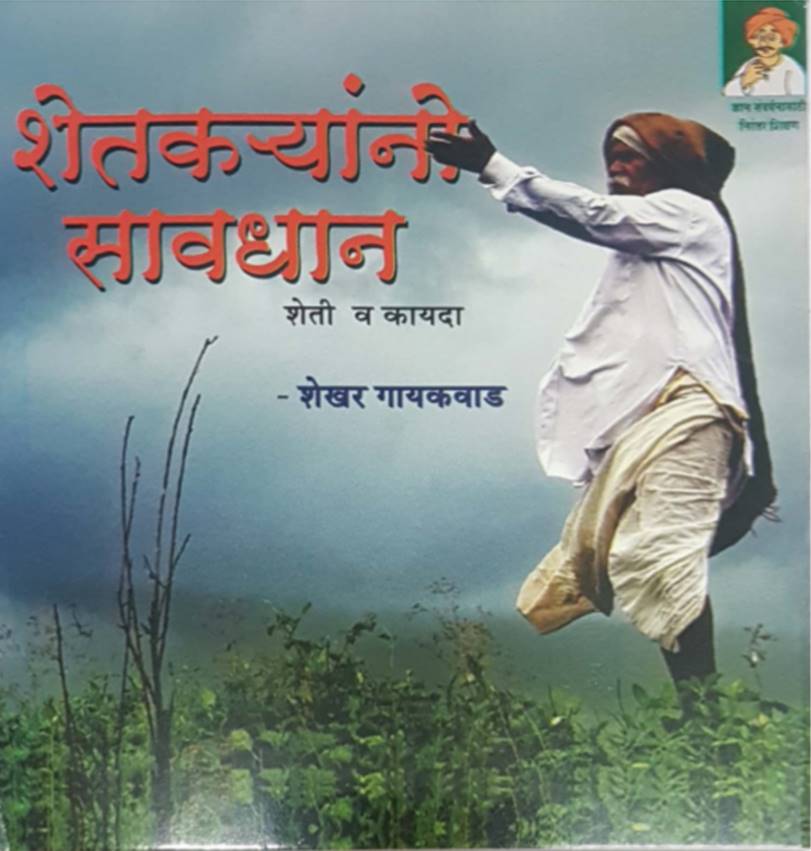
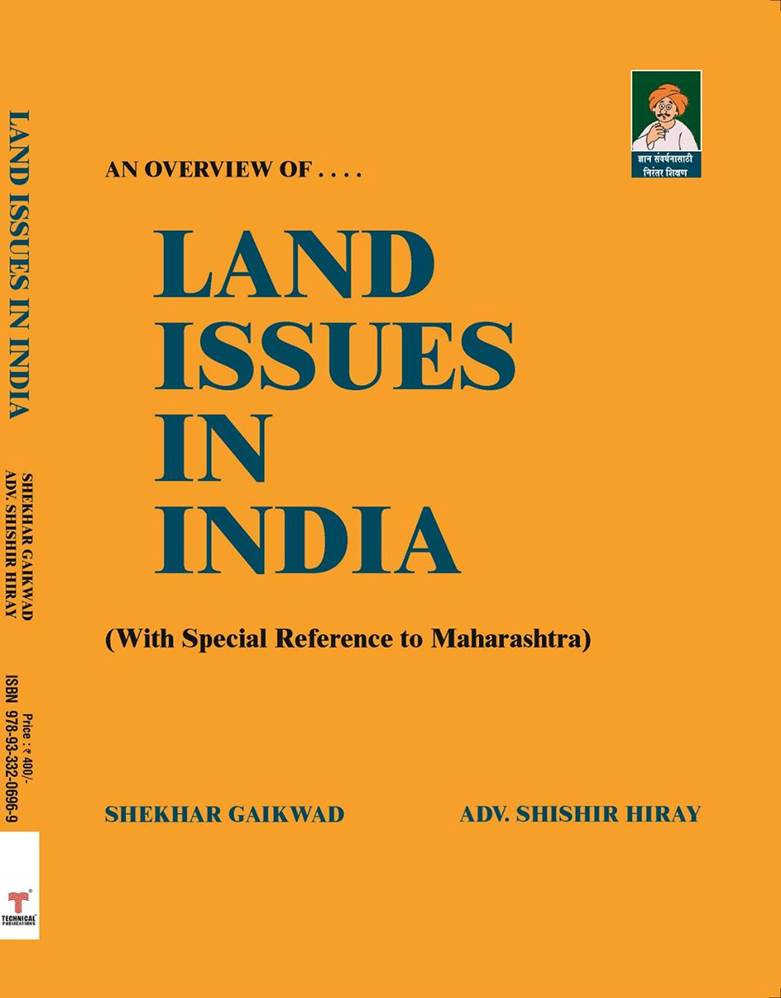
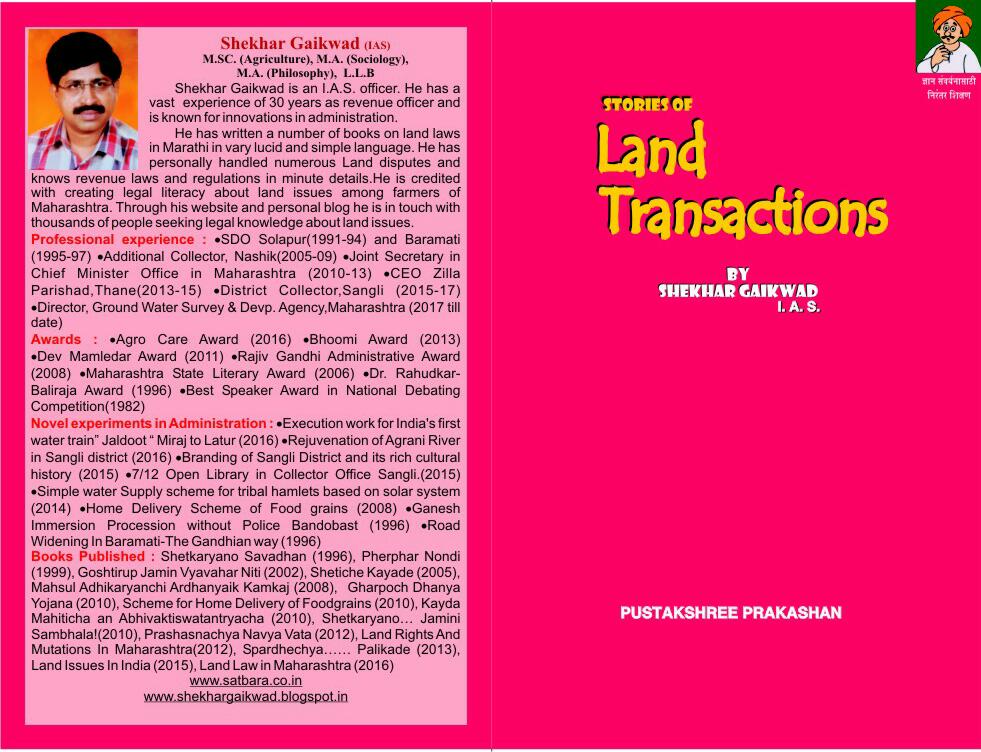
      माझी प्रकाशित पुस्तके


      १ . शेतक-यांनो सावधान (१९९६ )

      २ . फेरफार नोंदी (१९९९ )

      ३. गोष्टीरुप जमीनव्यवहार नीति (२००२ )


      १८. भूजल स्मरणिका (२०२०)

      १९. एफ. आर. पी. (रास्त व किफायतशीर दर) माहितीपुस्तिका(२०२०)

      . ऊसाच्या एफ.आर.पी. वसुलीसाठी महसुली वसुली प्रमाणपत्र (R.R.C.) माहिती पुस्तिका(२०२०)

      २१. महाराष्ट्राची भूजलगाथा(२०२०)

      २२. Beyond Competition(२०२०)

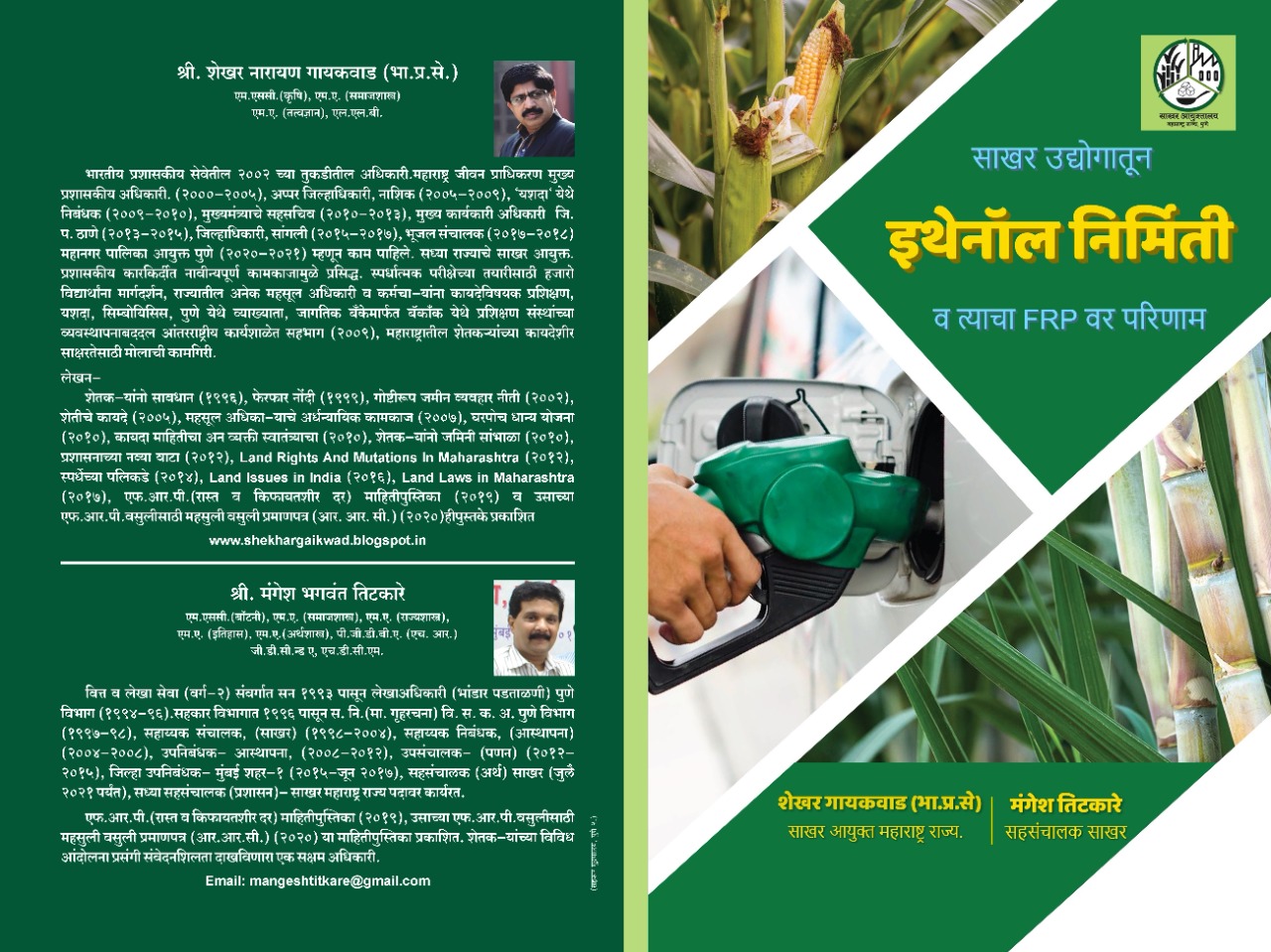
      २३. साखर उदयोगातून इथेनॉल निर्मिती व त्याचा FRP वर परिणाम (२०२१)

      २४. Unending Questions of Land Disputes (२०२३)

      २५. Legal Framework of Sugar Industry (२०२३)

      २६. बदलता ग्रामीण महाराष्ट्र (२०२३)

      २७. इक्षुदंड ते इथेनॉल (२०२३)

      २८. मुलाखतीचे पैलू (२०२३)

      २९. प्रशासकीय योगायोग (२०२४)

      ३०. महसुली शब्दकोश (२०२४)

      ३१. हक्कसोडपत्र बक्षिसपत्र मृत्युपत्र (२०२४)

      ३२. रंगमहसूली (२०२४)

      ३३. मराठी रंगभूमीवरील दोन अंकी नाटक...राजकारणातले राजकारण (२०२४)

      ३४. Scrutiny and Nominations Loksabha & Assembly Elections (२०२४)

      ३५. सरकारी ऋतुचक्र (२०२४)

      ३६. Land Laws (२०२५)

      ३७. Law Graduates (२०२५)

      ३८. माणूस आणि प्रॉपर्टी (२०२५)

      ३९. यशदाची यशोगाथा (२०२५)