शिक्षण ही एक निरंतर चालणारी प्रक्रिया आहे असे मानना-या व ज्ञान संवर्धनासाठी एकत्र येणा-या सवंगडयांचा मेळावा (A place to meet and get informed for all those who believe that learning is an unending process)
मनोरंजक स्फूट लेखन
Wednesday, June 8, 2016
Thursday, April 21, 2016
Tuesday, January 5, 2016
Monday, July 27, 2015
Monday, March 14, 2011
PDS Ration Home Delivery Scheme Awaits Cabinet Nod
Mumbai, Feb 25 (PTI) Maharashtra cabinet is likely to discuss a significant measure aimed at revolutionizing delivery of items through the public distribution system(PDS), which could help save the state government around Rs. 200 crore per year.
Under this model, foodgrain are distributed through PDS,once in three months, six months or a year. This is in contrast to the monthly distribution system, which is expensive in terms of transportation and is also not effective in clearing stocks.
The scheme is the brainchild of senior bureaucrat ShekharGaikwad, now in the Chief Minister''s Office, who launched it when he was Nashik''s Additional Collector.
Some glaring lacunae in the present PDS include: Foodgrain not reaching the village; beneficiaries don't receive their monthly allotted quota; shops are rarely open; if and when they get the foodgrain stock, the price demanded by the shopkeepers is generally higher than the announced price, the grains are adulterated and of bad quality.
Gaikwad thought of a novel way to get around some of the short comings by giving families food in advance. Under the''home delivery'' scheme, BPL beneficiary families come together and demand three months ration in advance. People collect money and deposit in village itself with talathi / supply inspector. Once this amount is paid, their quota of ration is delivered by the government to their village. .
After the amount is deposited in block-level treasury, a tempo comes to the village and foodgrain sacks distributed on the basis of what has been paid to each family, in an open space in front of all the beneficiary families.
Gaikwad''s project has been a hit with local self-help groups of women who collect the required amount, keep records of the collection, travel to the block office to pay, and are present during distribution to ensure proper allocation.
The new model has the potential to make rotting foodgrain in government godowns a thing of the past, the official said. The system is also transparent as foodgrain distribution takes place before the community and once distributed,independent agencies and NGOs can verify whether the grains are properly utilized.
Gaikwad also served as Registrar of the Yashwantrao Chavan Academy for Development Administration (Yashada) at Pune.
Gaikwad made a presentation of his model before Union Agriculture Minister Sharad Pawar and deputy chairman of the Planning Commission, Montek Singh Ahluwalia last year. "They lauded the model as it did not incur any additional cost forthe smooth distribution of foodgrain," he said.
"The beneficiaries in rural areas now understand that the government had kept this much foodgrain aside for each family," Gaikwad said. The element of transparency is a boost as the entire village knows who are the beneficiaries as the foodgrains are distributed in presence of everyone.
Also, stock from godowns gets shifted to families, houses, clearing up much-needed space there.
Friday, March 4, 2011
माहिती अधिकाराची गीता...
Source: http://www.mahanews.gov.in/
Tuesday, September 7, 2010
Wednesday, August 18, 2010
Wednesday, June 18, 2008
Redefining Government
There were times when Raghunath Bhoye and his family could not even think of eating three square meals a day. But ever since he enrolled in the state Government’s Antyodaya scheme, things have changed considerably.
Tuesday, June 10, 2008
New scheme to stop PDS pilferage
To plug loopholes in the Public Distribution System (PDS), a pilot project in Nashik district, in Maharashtra state, will deliver foodgrain almost to the consumer’s doorstep.
Under the scheme, which will be launched soon in 40 villages in Surguna taluka, Nashik district, those entitled to foodgrain under the PDS will no longer have to trudge every month to the ration shop, which is often many miles away. Instead, local revenue officers will visit the villages, assess the quantity of grain required, and collect money for the same. The next day, the local PDS shop-owner and the officers will distribute the grain before the village gram sabha. The same method will be adopted for the distribution of kerosene.
This will help eliminate fake beneficiaries whose quota is siphoned off into the black market. The PDS shopkeeper will not be able to take the grain to his shop, but must take it directly to the village. The grain will be given in sealed 50 kg sacks to cut down on any pilferage en route.
Cheating in the PDS has led to the loss of huge sums of money to the state exchequer, and to malnutrition among poor families. In 2003-04, 14.07 million tonnes of subsidised grain was issued to the 16 large states for delivery to below the poverty line (BPL) families. Only 5.93 million tonnes was actually delivered. A whopping 8.14 million tonnes of subsidised foodgrain did not reach the poor. June 4, 2007 http://www.empowerpoor.org/relatednews.asp?report=561. This scheme has become so popular by May 2008 we have implemented this scheme in 115 villages of Nashik district, delivering about 1200 quintals of foodgrain at doorstep to 37000 families.
Sunday, June 8, 2008
Enough Supply Ensured
Click to know more- http://www.nasiktimes.com/fullStory.asp?articleID=NATI1ART05282008122126
माझी प्रकाशित पुस्तके
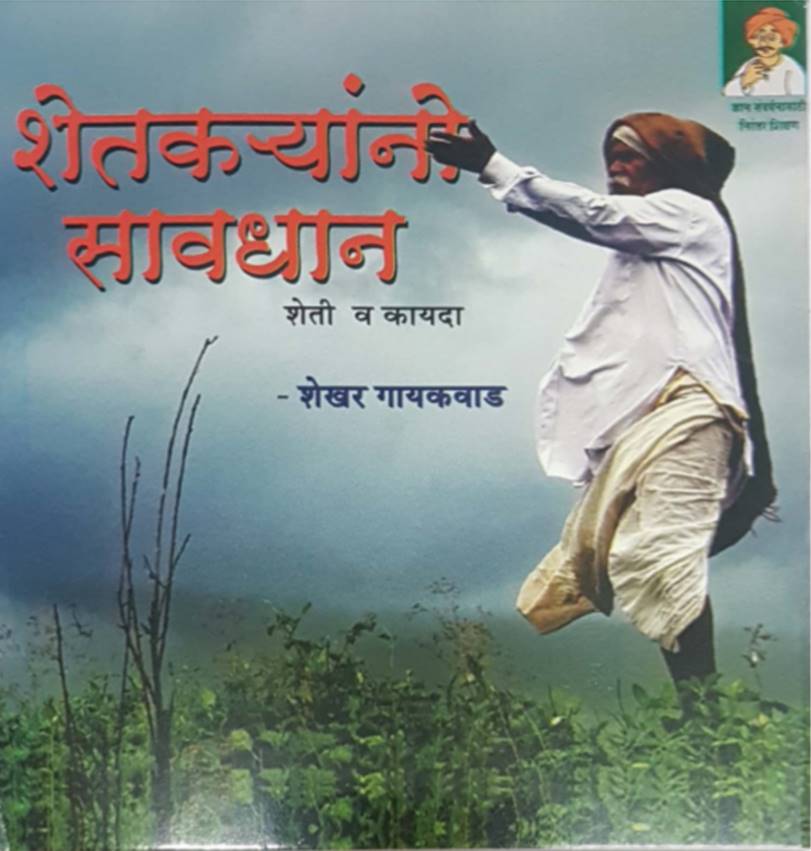
१ . शेतक-यांनो सावधान (१९९६ )
२ . फेरफार नोंदी (१९९९ )
३. गोष्टीरुप जमीनव्यवहार नीति (२००२ )
४. शेतीचे कायदे (२००५ )
५. महसूल अधिका-यांचे अर्धन्यायिक कामकाज (२००७ )
६ . शेतक-यांनो...जमिनी सांभाळा! (२०१०)
७ . कायदा माहितीचा अन् अभिव्यक्तिस्वातंत्र्याचा (२०१०)
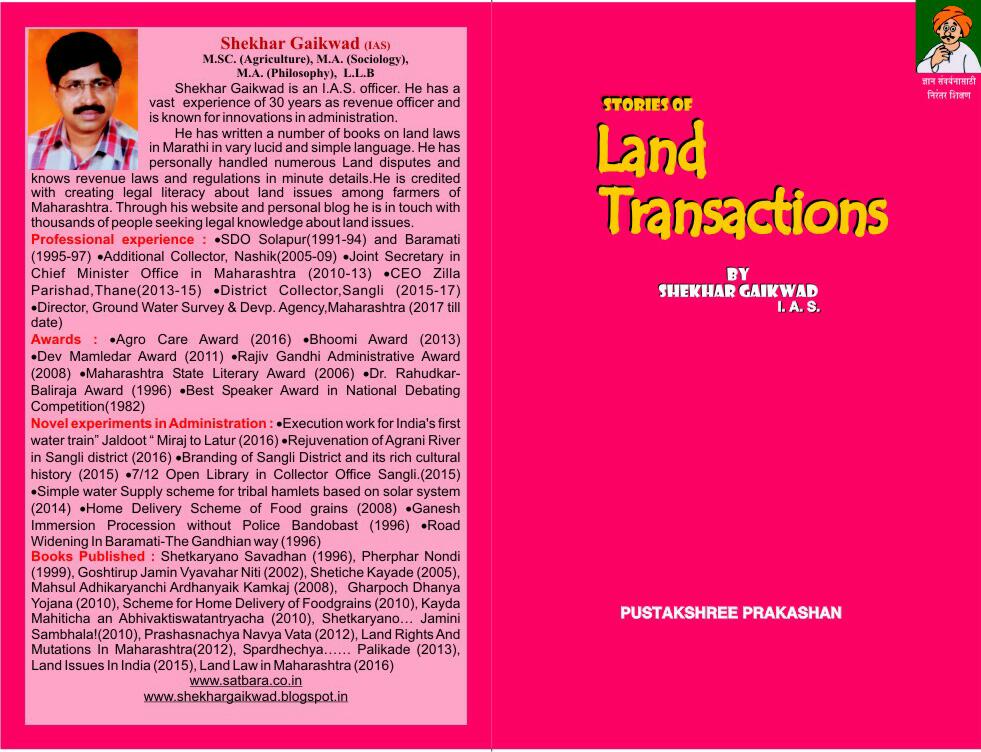
८ . Home Delivery Scheme of Foodgrains (२०१०)
९. घरपोच धान्य योजना (२०१०)
१९. एफ. आर. पी. (रास्त व किफायतशीर दर) माहितीपुस्तिका(२०२०)
२०. ऊसाच्या एफ.आर.पी. वसुलीसाठी महसुली वसुली प्रमाणपत्र (R.R.C.) माहिती पुस्तिका(२०२०)
२१. महाराष्ट्राची भूजलगाथा(२०२०)
२२. Beyond Competition(२०२०)
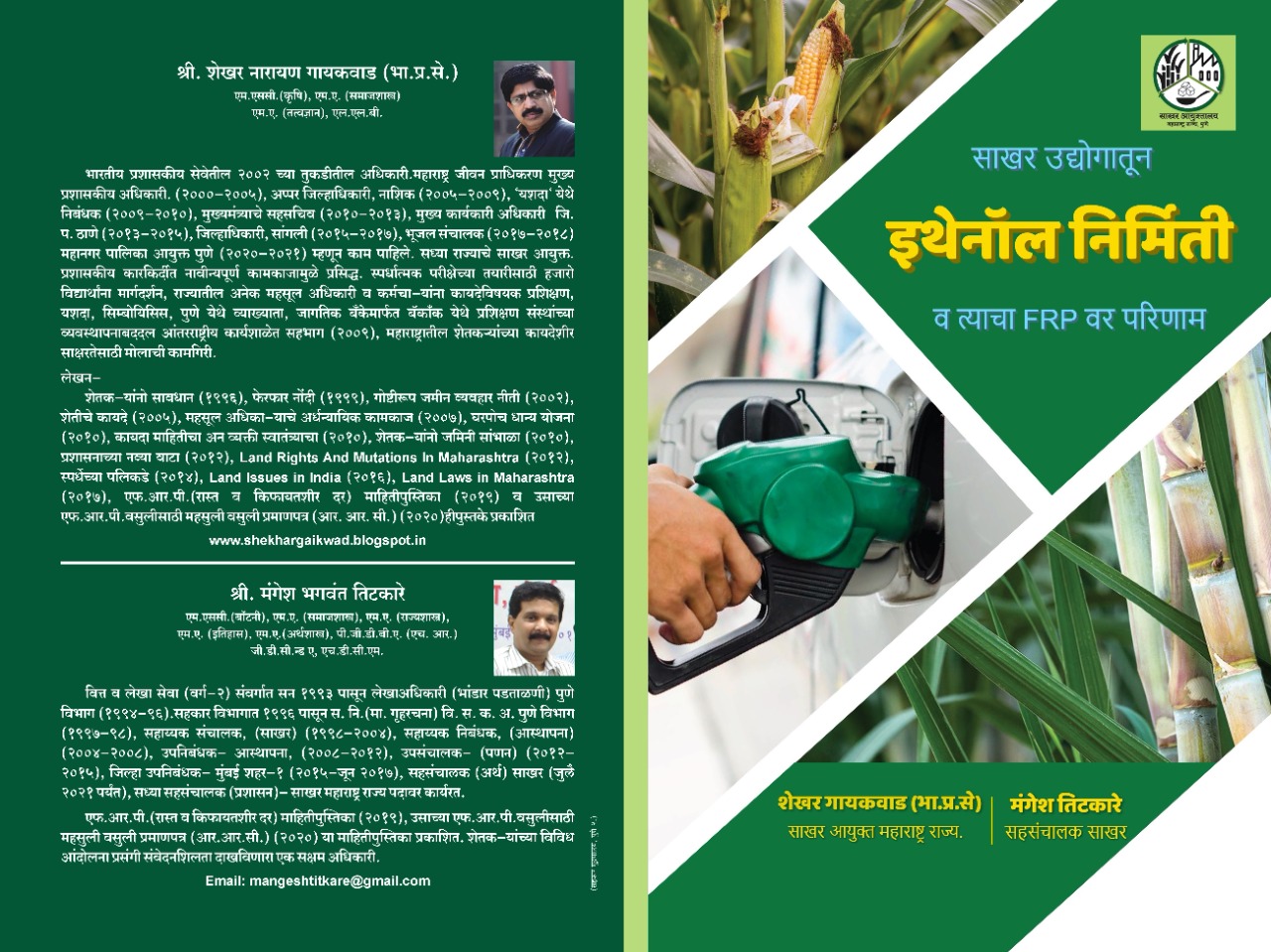
२३. साखर उदयोगातून इथेनॉल निर्मिती व त्याचा FRP वर परिणाम (२०२१)
२४. Unending Questions of Land Disputes (२०२३)
२५. Legal Framework of Sugar Industry (२०२३)
२६. बदलता ग्रामीण महाराष्ट्र (२०२३)
२७. इक्षुदंड ते इथेनॉल (२०२३)
२८. मुलाखतीचे पैलू (२०२३)
२९. प्रशासकीय योगायोग (२०२४)
३०. महसुली शब्दकोश (२०२४)
३१. हक्कसोडपत्र बक्षिसपत्र मृत्युपत्र (२०२४)
३२. रंगमहसूली (२०२४)
३३. मराठी रंगभूमीवरील दोन अंकी नाटक...राजकारणातले राजकारण (२०२४)
३४. Scrutiny and Nominations Loksabha & Assembly Elections (२०२४)
३५. सरकारी ऋतुचक्र (२०२४)
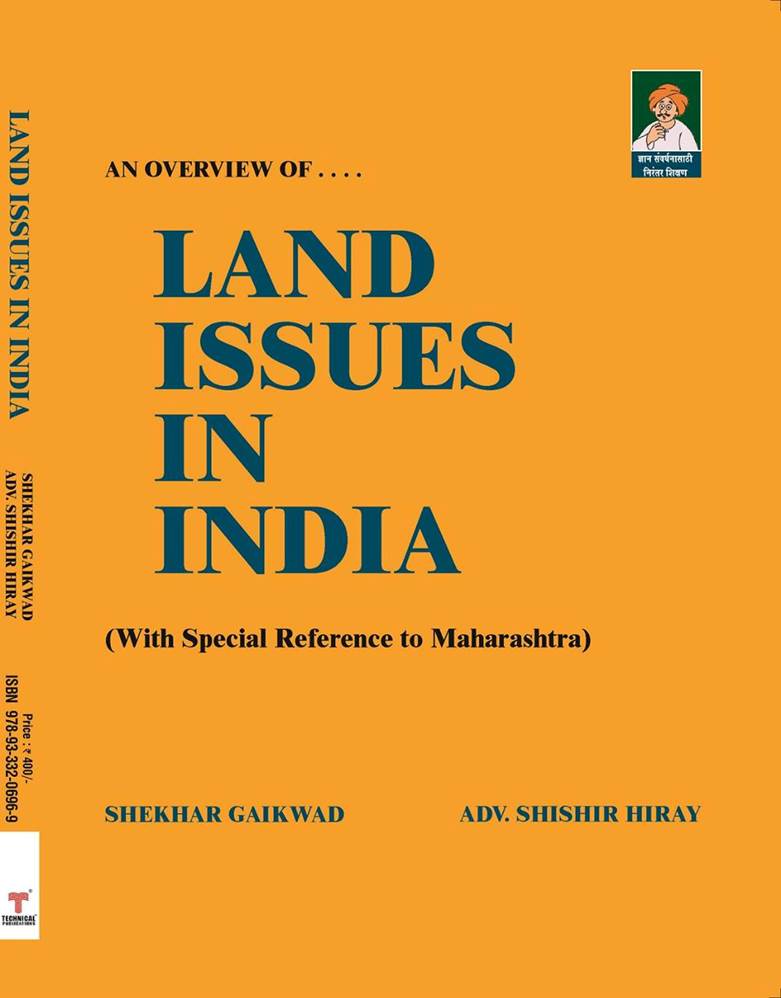
३६. Land Laws (२०२५)
३७. Law Graduates (२०२५)
३८. माणूस आणि प्रॉपर्टी (२०२५)
३९. यशदाची यशोगाथा (२०२५)